
A single word can act like a compass. It does not solve everything, but it focuses attention, trims distraction, and becomes a small ritual that directs decisions for a year. When you give a year to a single word, you create a simple rule for what to keep and what to let go.
Table of Contents
- Why one word beats a hundred resolutions
- The Year of You framework: focus and finish
- Why "contraction" mattered — a case study
- Practical ways to live your word every day
- Write the year you want: the epilogue exercise
- Playful creativity: also by the author
- When the safety net disappears, use it as feedback
- Three questions to help discover your word
- FAQ
- Final notes
Why one word beats a hundred resolutions
Goals and big plans are useful, but they are easy to abandon when life throws curveballs. A single word is tiny, memorable, and flexible. It serves as a filter: when a choice comes up, you ask, "Does this serve my word?" If yes, you proceed. If no, you protect your energy and attention for what matters.
The power of a one-word year is psychological and practical. Psychologically, brevity helps the brain form habits. Practically, it reduces decision fatigue by turning many decisions into one simple test.
The Year of You framework: focus and finish
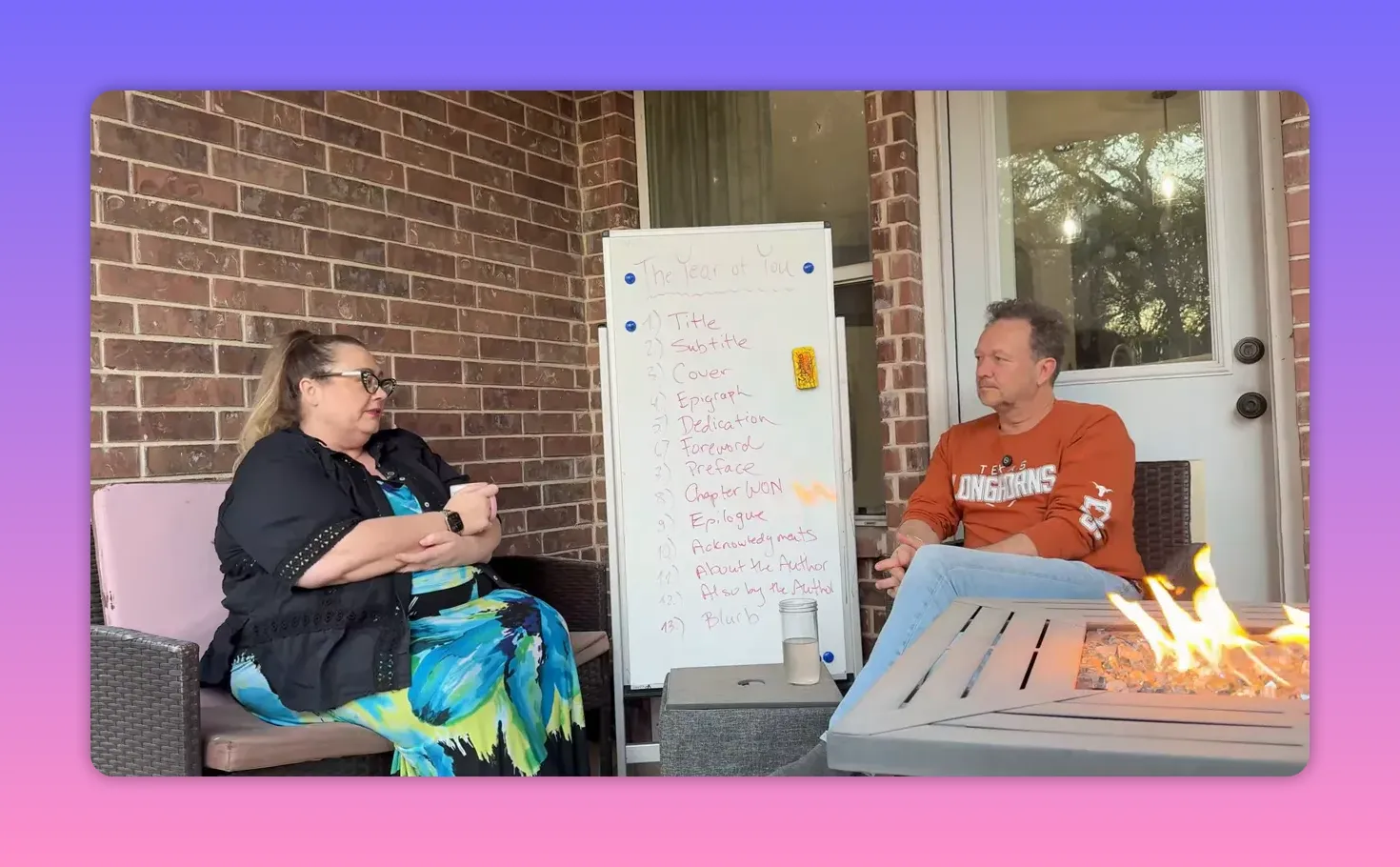
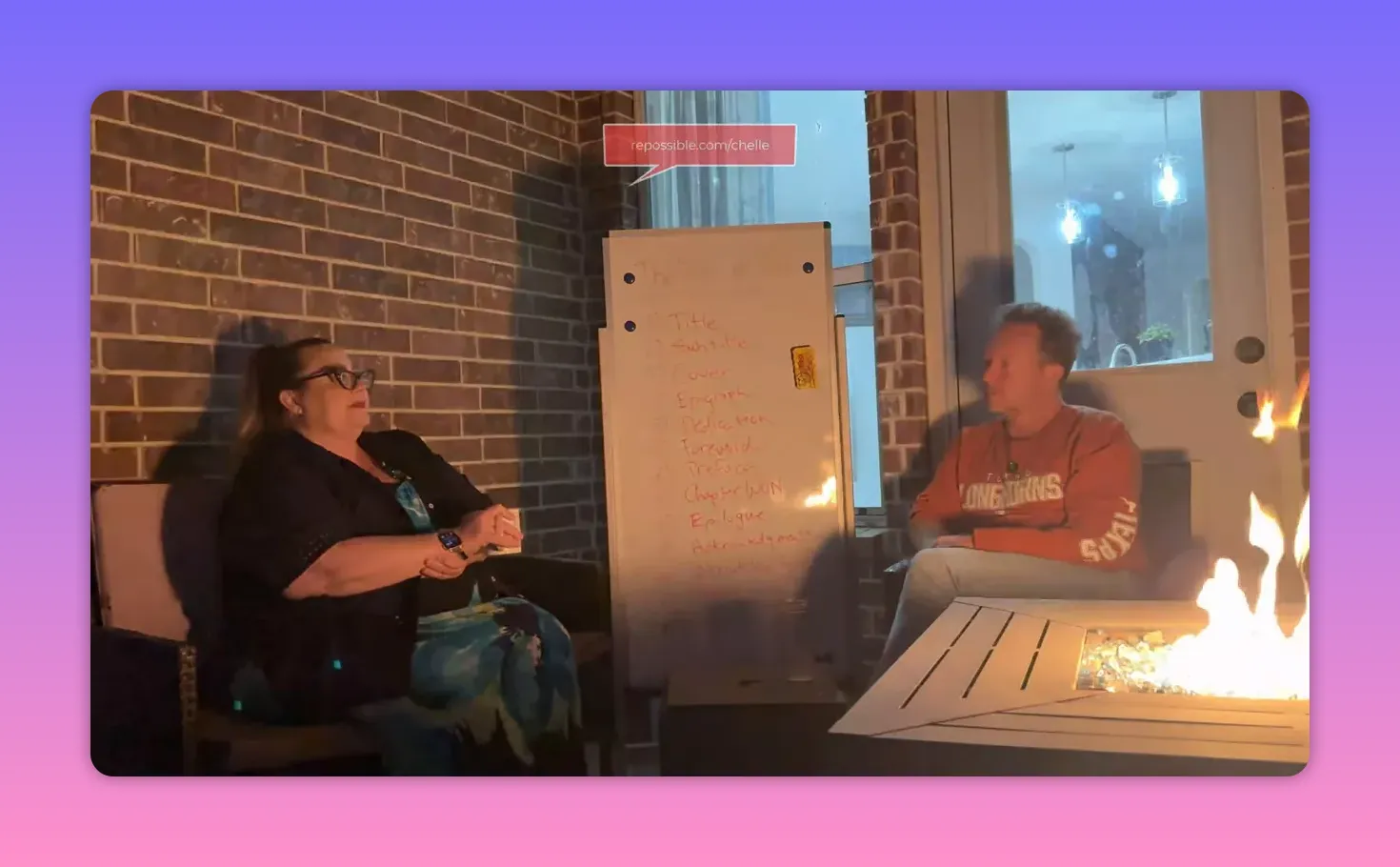
Think of the Year of You as a short roadmap that combines discovery with future-casting. It uses a handful of focused elements — not long chapters — to help you crystallize direction, design a practical plan, and then execute. Two guiding mantras in this approach are focus and finish.
How the framework works
- Pick one word that captures the essence of what you need this year.
- Write a short preface about your present reality — be brutally honest about constraints and supports.
- Future-cast an epilogue: write one year from now in past tense. Describe what success looks like in detail.
- List acknowledgements and who helped you get there; this helps you see anchors and collaborators.
- Use your word every day as a decision filter and energy-protection tool.
Why "contraction" mattered — a case study
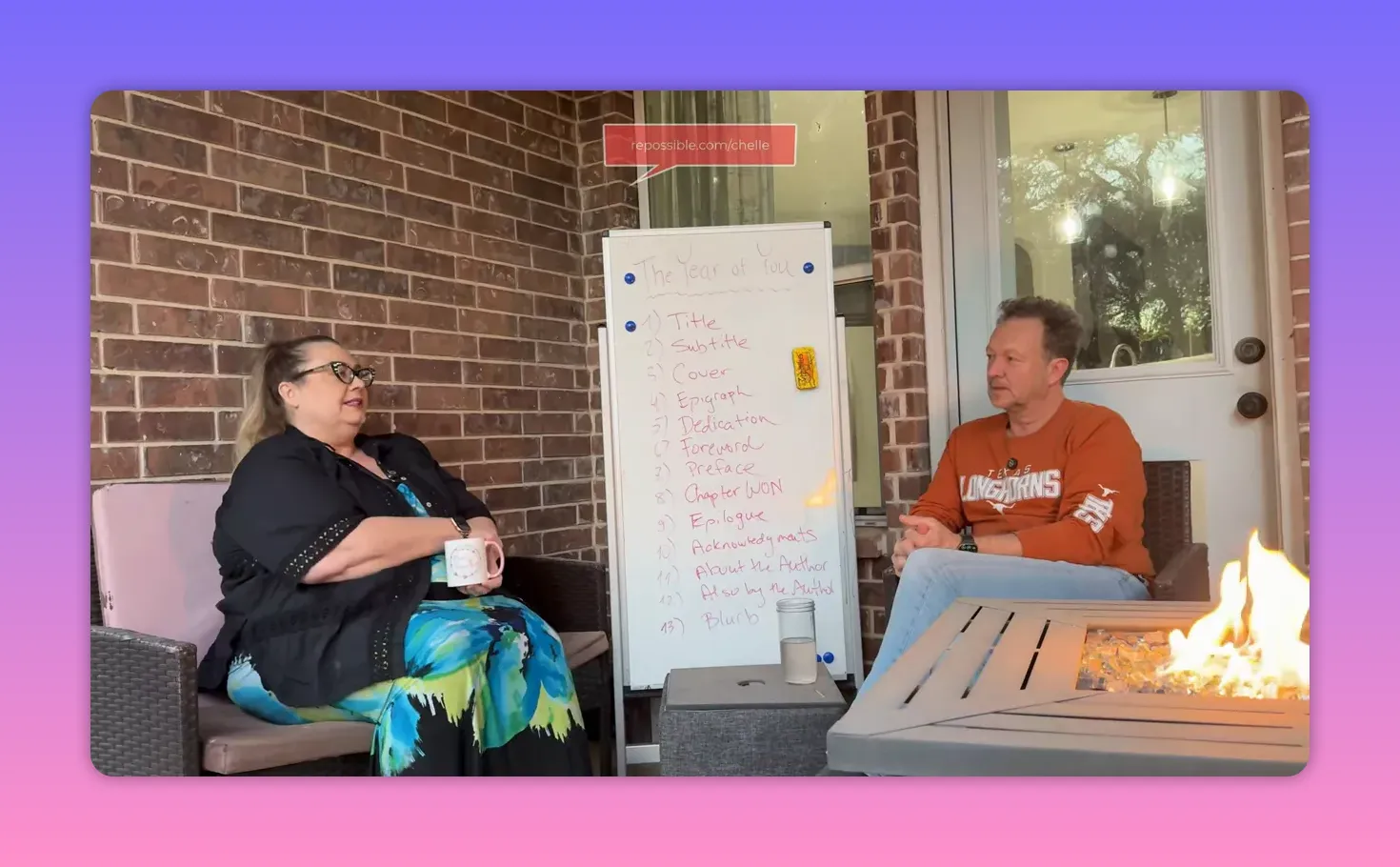
When life removed a long-standing safety net, what seemed like bad news turned into clarity. The word that emerged was contraction. Contraction is not retreat; it is selective compression. It means tightening focus, handing off tasks that drain your bandwidth, and doubling down on what moves the needle.
Contraction did three crucial things:
- It forced a prioritization of core projects to protect momentum.
- It created permission to let other people run parts of the business rather than staying trapped in every detail.
- It reframed disruption as the catalyst for a better operating system — not as a failure.
Contraction as birth, not as punishment
The metaphor that stuck was the physiology of childbirth: contractions create space for an astonishing new outcome. Contraction can feel uncomfortable and even painful, but the end result is often greater capacity and more meaningful output.
Practical ways to live your word every day
Your word should be actionable. Here are simple habits to make it work:
- Morning micro-decisions: Use your word to choose the top three tasks of the day. If something does not pass the word test, defer it.
- Delegate with guardrails: Hand off tasks and make a one-page SOP so others can do them well without constant oversight.
- Weekly check-in: Write one sentence about how the week honored your word or pulled you away from it.
- Future-cast regularly: Every quarter, rewrite a short epilogue sentence in past tense — this strengthens mental rehearsal.
Write the year you want: the epilogue exercise
A high-impact exercise is to write the epilogue: begin with "What a year" and describe the year you just lived, as if it were already complete. Be specific. Include sensory details, numbers, and emotions. For example:
What a year. As I sit on the deck of a river cruise in Europe, I feel the satisfaction of having helped 250 authors hit their sales goals. The software launched and authors are using it daily. I am traveling with family to Christmas markets, relaxed and present.
This kind of future-tense narrative aligns intention, attention, and behavior. The more vivid the description, the better your brain can map a path toward it.
Playful creativity: also by the author
Giving yourself permission to be playful with future outputs helps maintain momentum. Imagine three lighthearted books your future self "also" releases — silly, practical, or provocative titles that express identity and values. Examples include:
- Packing for Luxury
- How to Go Monk Mode and Come Back
- Let Them: Stop Running Into Fires for People Comfortable in the Heat
When the safety net disappears, use it as feedback
Financial loss, a client exit, or any sudden removal of support is painful. Treat the event as useful feedback: what has been propping you up and what was masking the need to focus? Use your word to convert that nudge into a strategic pivot rather than a panic response.
Three questions to help discover your word
- What drains you most often? Your word might be the opposite action.
- What outcome do you want to protect above all else in the next 12 months?
- Which word can you repeat in one sentence to decide whether to say yes or no?
FAQ
How do I find my one word when everything feels important?
Start by identifying the friction point you feel most days. Pick a word that addresses that friction. If you feel scattered, choose clarity-related words like focus, simplify, or finish. If you are overcommitted, consider boundaries words like protect, contract, or breathe.
What if my word feels negative or limiting?
Words that sound strict can be liberating. "Contraction" may sound limiting but it actually creates space for what matters. If a word feels harsh, reframe it: pair it with a clarifying subtitle or a guiding sentence that explains the positive intention.
How long should I use the word each day?
Use it as often as needed to make decisions. Start with three daily checks: morning priorities, a midday pause, and an evening reflection. Over time, the word becomes an automatic filter.
Can my word change mid-year?
Yes. Treat the year as an experiment. If circumstances shift dramatically and a new word would better serve your goals, update it. The exercise is about learning and adapting, not rigid rules.
Final notes
The value of one word is not mystical, it is practical. It reduces noise, protects energy, and makes the year a coherent experiment you can run and learn from. Whatever word you choose, pair it with clear actions: one-page processes, delegation, and monthly epilogue checks. That combination turns an idea into a lived habit.
If life nudges you with a surprise, remember: disruption often reveals what needs attention. Give yourself permission to tighten, hand off, and then build toward what you truly want to finish.
Related post
For a short, personal note connected to these themes, see Chelle by Bradley Charbonneau — a brief post on the same site.
What's Your Word of the Year? |
|
Chelle did it in 55 minutes. |
| Make Next Year "The Year of You" |


